
Choosing the Right Hiking Boots
What makes a good hiking boot for older adults. Features that protect your feet and reduce pain during long walks.
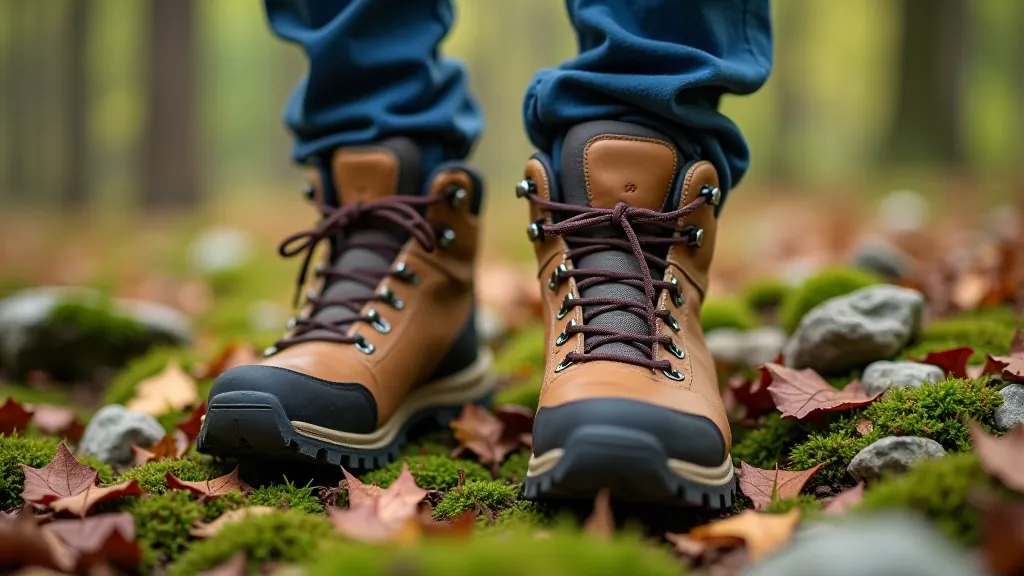
Why Boots Matter More Than You'd Think
Your feet carry you through every hike, and they're bearing your entire weight on uneven terrain. That's why the right boots aren't just a nice-to-have — they're essential. We're talking about the difference between enjoying a walk and spending the next week nursing sore arches and blisters.
The good news? You don't need to break the bank or buy something overly technical. What you need is boots that fit your feet properly, offer real support, and won't leave you hobbling after a few kilometers. This guide breaks down what actually matters when you're picking hiking boots as an older adult.
Quick Facts
- Proper fit prevents 80% of common foot problems on trails
- Ankle support becomes more important after 60
- Good boots last 500-700 miles if cared for properly
- Breaking in takes 3-5 proper hikes, not sitting at home
Getting the Fit Right
This is where most people go wrong. They buy boots that look good or feel okay in the shop, then wonder why their feet hurt after an hour on the trail. Fit isn't about being snug everywhere — it's about having the right amount of room in the right places.
Your heel shouldn't slide around when you walk, but your toes need wiggle room. When you're descending a hill, your foot slides forward slightly, so if your toes are already jammed against the front, you're asking for blisters. A good rule: you should fit one finger width between your longest toe and the boot end. That's roughly 10-15mm of space.
The arch is where comfort really lives. If the boot's arch doesn't match your foot's arch, you'll feel it within 20 minutes. That's not something that gets better with time. Walk around the shop for at least 10 minutes in any boots you're considering. If they hurt then, they'll hurt on the trail. Don't count on "breaking in" to fix a poor fit.
Support That Actually Works
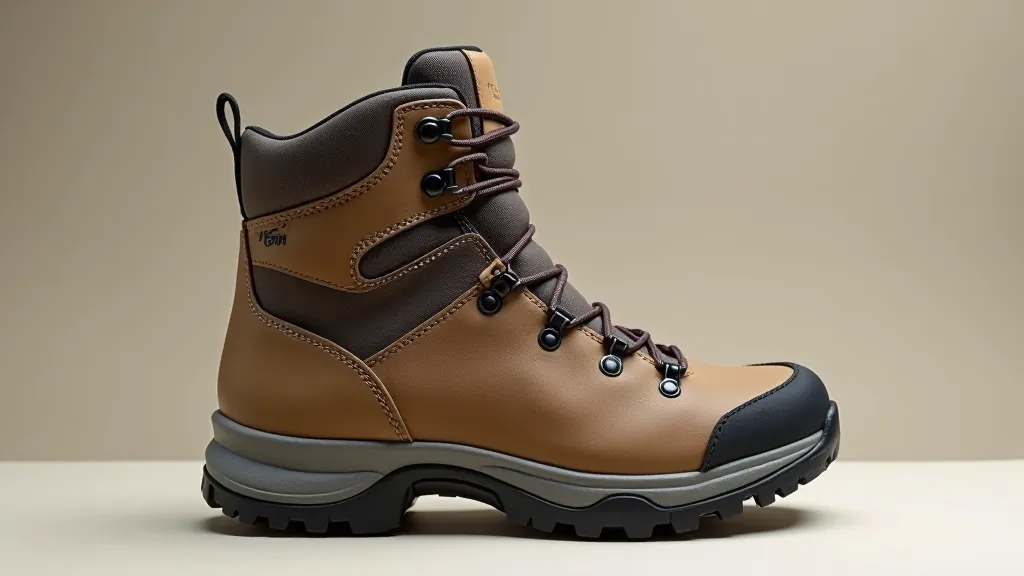
Ankle support matters more as we get older. Your balance changes, your proprioception (that sense of where your feet are) shifts, and uneven ground becomes trickier. A boot with good ankle support reduces the chance of rolling your ankle on a root or stone, which is genuinely dangerous on a trail where help isn't close by.
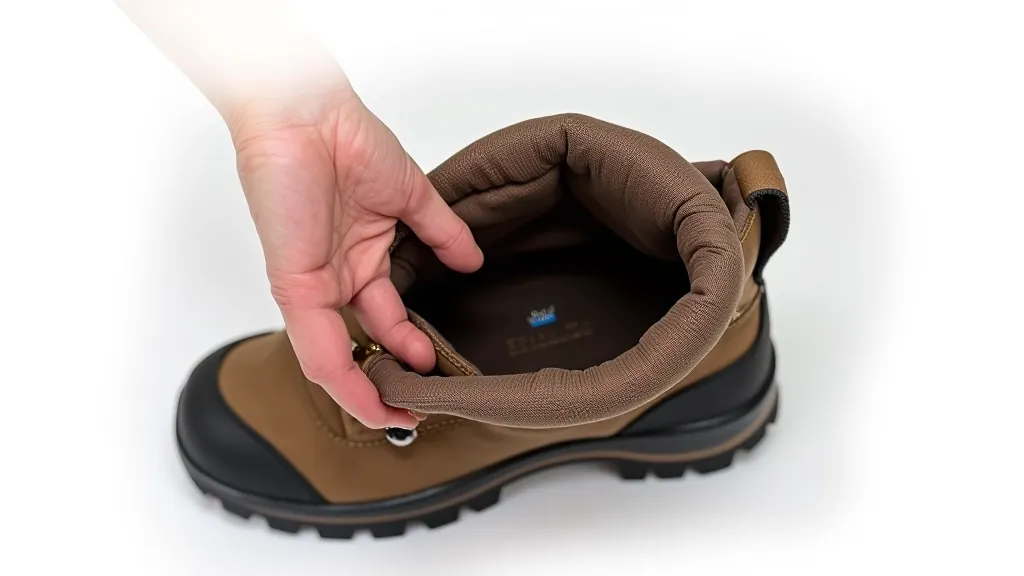
Look for boots with a firm heel counter — that's the cup-shaped part that wraps around your heel. It should feel solid, not squishy. When you press the back of the boot, it shouldn't collapse. A good midsole (the layer between the sole and insole) provides arch support without being so rigid that it's uncomfortable. You want to feel supported, not like you're walking on a plank.
The tread matters too. You don't need aggressive tread like a mountaineering boot, but slick soles are a recipe for slipping. Look for tread with at least 2-3mm depth, especially if you'll be hiking on wet grass or muddy paths. That's what you'll encounter in Tollymore most of the year.
Material Choices and Weight
There's a common misconception that heavier boots mean better support. That's backwards. Heavy boots just tire your feet faster. A good hiking boot weighs around 500-650 grams (just over a pound) per boot. If they're significantly heavier, you're paying for features you probably don't need.
Leather is traditional and durable, but it's heavy and takes time to break in. Modern synthetic materials like nylon mixed with leather offer better breathability, weigh less, and don't require weeks of breaking in. For day hikes in Northern Ireland, a leather-synthetic blend is ideal. You get durability and easier maintenance without the weight.
Waterproofing is important here — our climate means you'll encounter wet conditions regularly. Look for Gore-Tex or similar membranes. They keep water out while letting your foot breathe. Cheaper waterproof coatings trap moisture, and your feet get wet from sweat instead of rain. Not fun.
The Proper Break-In Process
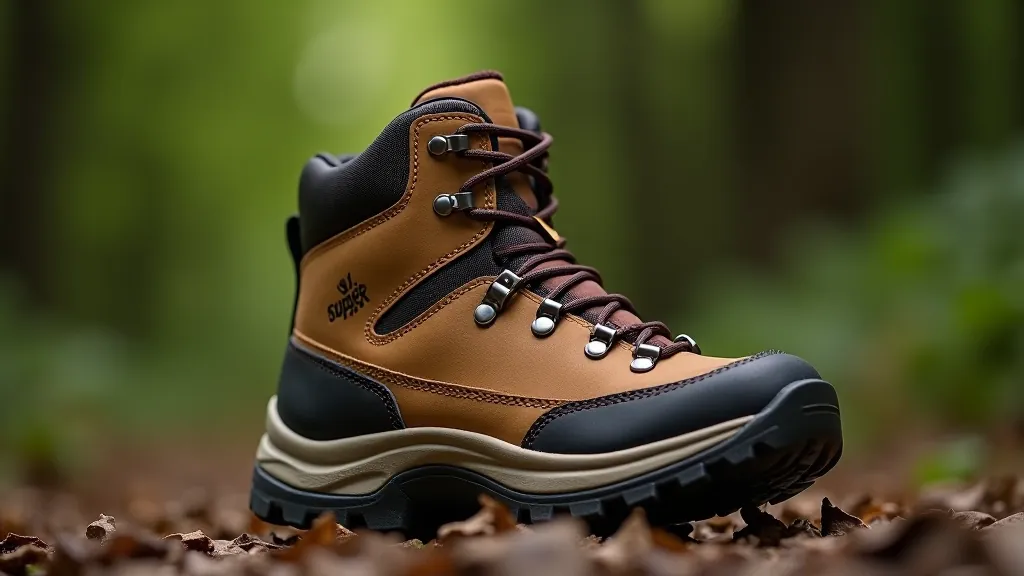
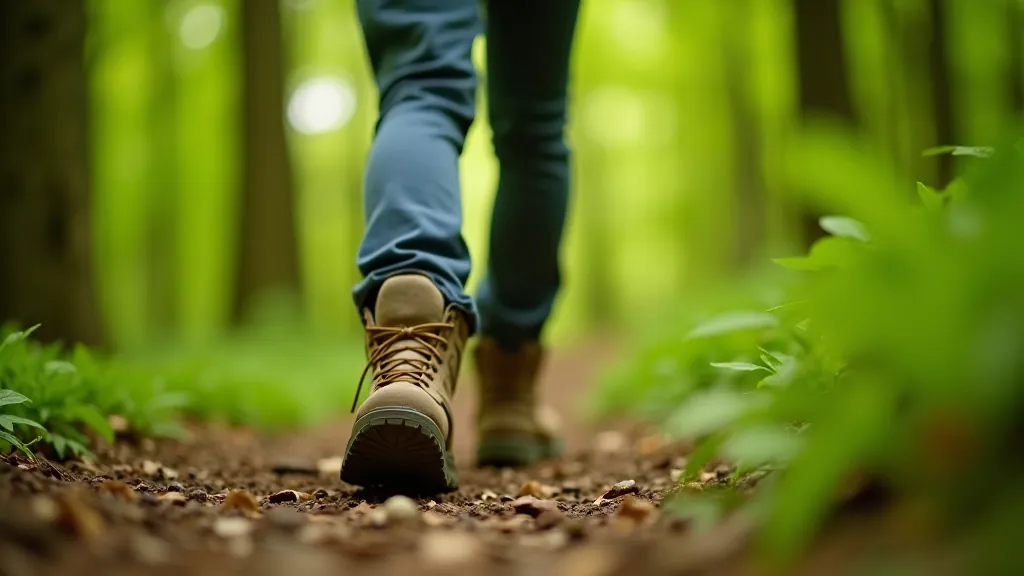
Don't wear new boots straight out of the box for a full 10-kilometer hike. That's how you end up with painful blisters. Instead, do short walks first — 1-2 kilometers on easy terrain. This helps the boot conform to your foot without overwhelming it.
Wear them around the house for an hour or two before taking them outside. Sounds strange, but it really helps. After 3-5 short walks on easy trails, you'll know if they're keepers. If you're still getting blisters after that, they're not going to work for you — return them.
Here's a pro tip: wear the same socks you'll wear hiking. Merino wool socks are worth the investment. They prevent blisters better than cotton, manage moisture, and feel better overall. A cheap boot with good socks often outperforms an expensive boot with bad socks.
The Bottom Line
The right hiking boots are an investment in your comfort and safety on the trail. They don't need to be the most expensive option, but they do need to fit well, offer proper support, and be made from quality materials. Take your time choosing them — this isn't something to rush through online. Go to a shop, try them on properly, walk around in them, and listen to your feet.
Once you've found boots that work, take care of them. Clean them after muddy walks, dry them properly (not by a heat source), and they'll give you years of reliable hiking. Good boots don't just make your hikes more enjoyable — they make them actually possible. Your feet will thank you.
Important Note
This guide is for informational purposes and shares general recommendations about hiking boots. Everyone's feet are different, and what works for one person may not work for another. If you have specific foot conditions, pain, or concerns, consult with a podiatrist or healthcare professional before purchasing new hiking boots. The information here isn't a substitute for professional medical advice.