
Why Pacing Matters on the Trail
Hiking isn't a race. Too many people push themselves too hard early on, then spend the rest of the day exhausted and miserable. That's not the point. We're out here to enjoy ourselves — to see the landscape, breathe fresh air, and feel good in our bodies.
When you pace yourself properly, you're actually hiking smarter, not slower. You'll have energy for the whole walk. You'll notice more around you. And honestly, you'll probably cover more distance because you're not stopping to recover from burning out.
Finding Your Natural Walking Speed
Your pace isn't the same as everyone else's. And that's fine. If you're walking with a group, you've probably noticed this already — some people naturally move faster, others slower. Neither is wrong.
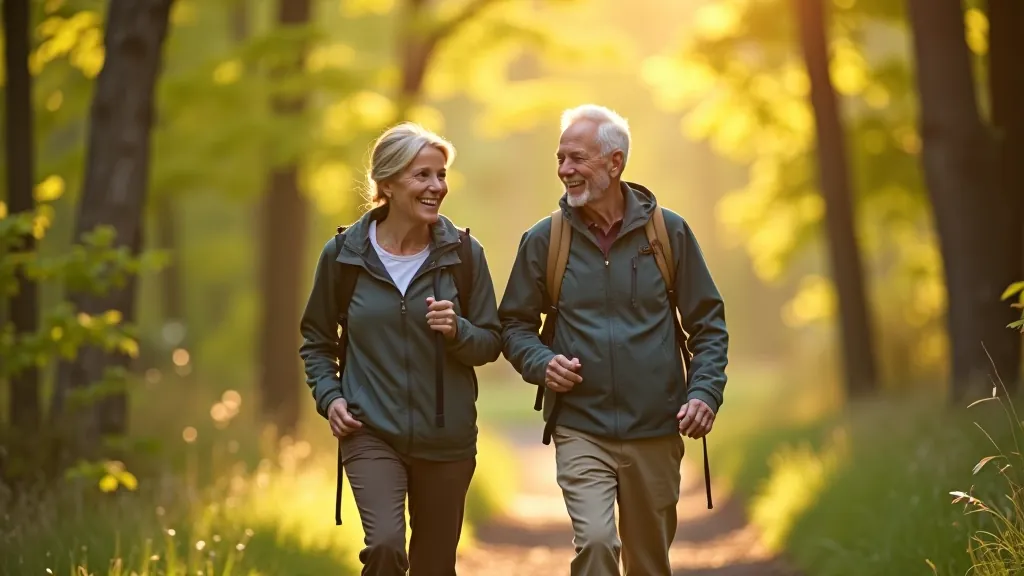
Here's the real test: Can you talk while you're walking? Not yell. Not whisper. Just have a normal conversation? That's your sweet spot. If you're breathing too hard to speak, you're going too fast. If you could recite poetry without effort, you could probably pick it up a bit.
Most people walk about 3 to 4 kilometers per hour on flat ground. On hills, that drops to 2 to 2.5 kilometers per hour, sometimes slower. These aren't targets to hit — they're just what's realistic. Don't fight the terrain.
Breaks Are Part of the Plan
Stop thinking of breaks as something you do when you're tired. They're something you do to stay not-tired. That's the difference.
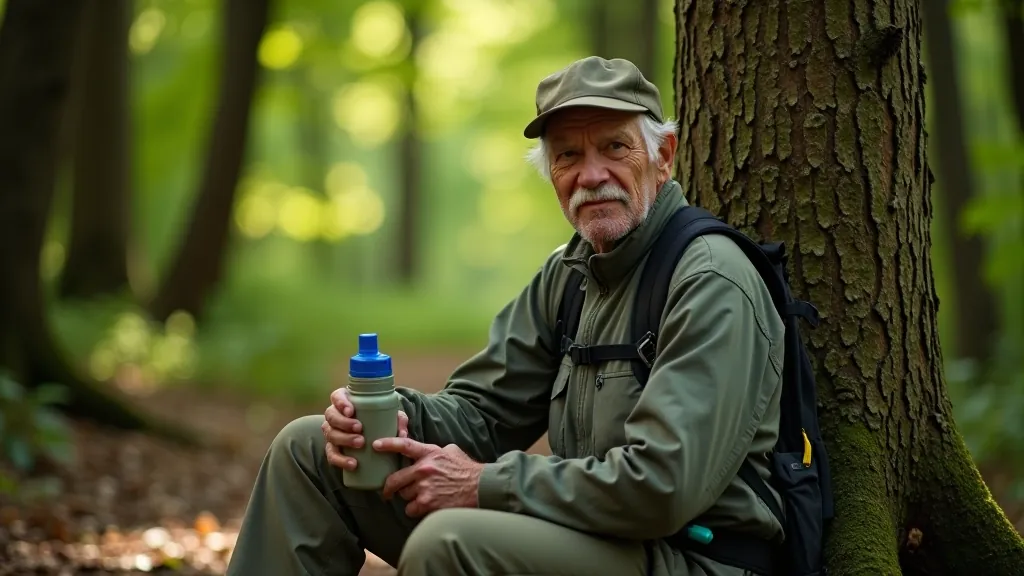
A good rule is to take a proper break — sit down, have some water, maybe a snack — every 45 minutes to an hour. Not a quick 30-second pause. An actual break where you rest. You'll feel it in your legs and knees especially. Sitting down for 5-10 minutes lets everything settle back down.
Don't wait until you're exhausted. That's reactive. We're going for proactive. Pick a good spot — somewhere with a view, somewhere you can sit comfortably — and actually rest there. This isn't lost time. This is hiking.
Practical Pacing Strategies
Set Your Rhythm Early
The first 10-15 minutes are crucial. Walk slowly. You're not warming up for a sprint. You're settling into a rhythm you can maintain for hours. Start easy and stay easy.
Uphill Changes Everything
On steep sections, slow down even more. Your legs will thank you. Walking slower uphill actually takes less energy than trying to maintain your flat pace. Counterintuitive? Maybe. But it works.
Hydration Isn't Optional
Drink water regularly throughout the walk. You'll notice if you're getting dehydrated — energy drops, legs feel heavier, pace suffers. Sip often, don't guzzle at the end.
Know Your Route Distance
Knowing how far you're walking helps. A 5km loop feels different when you know it's 5km. You can mentally divide it into sections and pace accordingly. Surprises are less fun on the trail.
The Real Benefit of Slowing Down
Here's what happens when you pace yourself properly: You actually see things. You hear birds. You notice wildflowers you'd otherwise miss. You can chat with whoever you're hiking with instead of just breathing hard beside them.
You also finish the walk feeling energized rather than wrecked. That's the difference between a hike that leaves you sore for two days and one where you feel good enough to do it again next week.
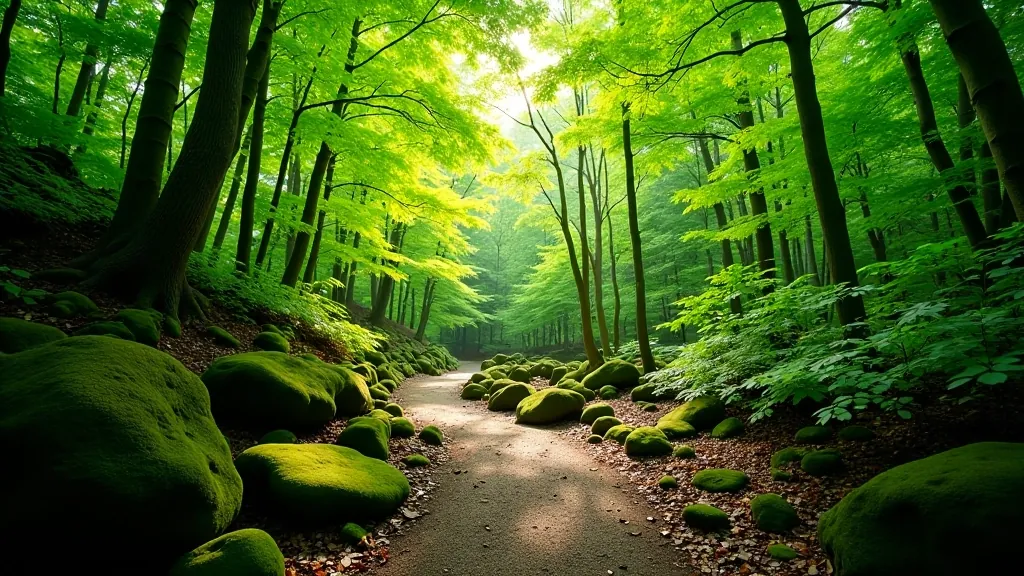
In Tollymore Forest Park, where many of the beginner trails are relatively short and scenic, you've got the luxury of taking your time. There's no rush. The forest isn't going anywhere. Walk your own walk.
Make It Your Hike
Pacing yourself isn't about being slower than everyone else. It's about being smart about your own body and what it can sustain. It's about enjoying the experience rather than just ticking a box.
Start your next walk with the intention to go slow. Really slow. You might surprise yourself with how far you can go when you're not fighting against exhaustion. And you'll definitely enjoy it more.
Disclaimer: This article is informational only and not medical advice. Everyone's fitness level, health conditions, and physical capabilities are different. If you have specific health concerns, joint problems, or haven't exercised regularly, consult with your doctor before starting a hiking routine. Listen to your body — if something doesn't feel right, stop and rest.